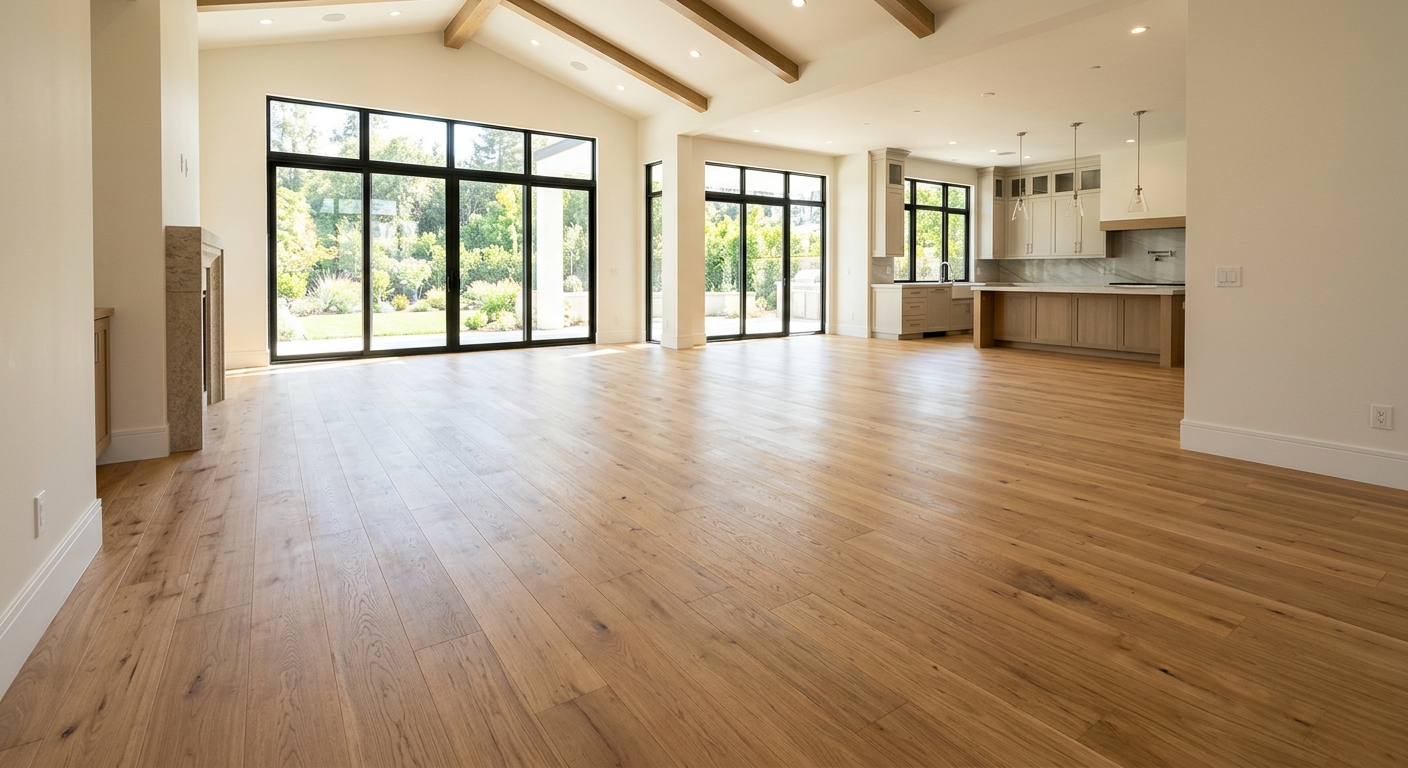
Flooring options and costs in Georgetown
Georgetown homeowners typically have a lot of flooring choices, but the right answer in practice depends on humidity swings, basement moisture risk, and how much subfloor work is needed. With a population of 44,058 (Statistics Canada, 2021 Census), Georgetown continues to see a steady mix of renovations and new infill builds, and that directly affects both product availability and labour pricing. In this Toronto-region market, many older homes were built before modern moisture control standards, so it’s common to find uneven subfloors or areas where plywood replacement/levelling is required before the finished floor can be installed. That prep alone can add meaningful cost even when you choose mid-range materials. On top of that, Toronto-area indoor conditions can swing noticeably by season—dry cold winters give way to warmer, humid stretches—so some products will feel “fine” for a few months and then start gapping or cupping if the installation system isn’t designed for that movement.
Because of this climate reality, we steer many homeowners toward engineered hardwood or luxury vinyl plank (LVP/LVT) in most living areas, especially in condos and newer infill builds. Solid hardwood can look exceptional, but it’s higher-risk over concrete and in basements where moisture vapour is an ongoing concern. In places like Georgetown’s older, established areas near the downtown core, demand is especially strong for quick-turn renovation packages that include levelling and moisture mitigation—then a clean, durable finish. Use the table below to compare realistic price ranges and performance so you can budget accurately before you request quotes.
| Type |
Best Room |
Moisture Resistance |
Lifespan |
Price per sq ft |
| Solid hardwood (nail-down, above grade only) |
Living / dining (above grade) |
Low (needs stable humidity; avoid basements) |
20–30 years (proper conditions) |
$9 – $18 |
| Engineered hardwood (float or glue, above + on-grade) |
Living / bedrooms (above + on-grade) |
Medium–high (more stable than solid) |
15–25 years |
$9 – $16 |
| Laminate (click-lock, above-grade) |
Bedrooms / hallway (above grade) |
Low–medium (protect from standing water) |
10–20 years |
$4 – $9 |
| Luxury vinyl plank / LVP (waterproof, any level) |
Kitchen, entry, basement (finished) |
High (designed for moisture and vapour) |
15–25 years |
$6 – $12 |
| Porcelain / ceramic tile |
Kitchen, bathrooms, foyers |
Very high (water-ready) |
25–50 years (grout maintenance) |
$12 – $25 |
| Carpet (broadloom or modular tile) |
Bedrooms, stairs (comfort) |
Medium (needs dry environment) |
8–15 years |
$5 – $11 |
Prices are estimates only and vary by project scope, site access and material selection.
What affects the price of flooring in Georgetown
In Georgetown, two quotes for what looks like the “same” floor can differ by 30–50% because the work behind the finished surface is rarely identical. Material rates, subfloor prep, underlay choices, removal/disposal, and finishing details (transitions and stair nosing) all move the total price. In Ontario’s Toronto-area market, strong renovation demand also pushes labour costs higher than many other regions, and that’s why you’ll often see higher all-in pricing even when you select a similar product from the same tier.
Technically, the biggest drivers are indoor humidity swings and below-grade moisture risk. Solid hardwood expands and contracts with humidity, so it can’t be glued or floated over concrete and it performs poorly in basements. In contrast, engineered hardwood and LVP are designed to handle the humidity reality of this region, including on-grade and many below-grade installs (when the system is specified correctly). In colder parts of the region and in newer builds with radiant floor heating, owners often add radiant upgrades; that tends to rule out most traditional solid hardwood and some laminate choices because of heat/expansion considerations. And older Georgetown housing stock commonly needs subfloor levelling or repair; even a $1–$4 per sq ft prep line can turn a “$7/sq ft” floor into a noticeably higher budget. For context, laminate/vinyl budgets often land in the $4–$9 range, while tile commonly starts at the $12–$25 band—so prep and transitions can be the difference between staying “mid-range” or slipping into premium territory.
Here are common Georgetown examples that change costs fast: (1) a wavy subfloor that needs self-levelling compounds and patching increases labour and materials; (2) moisture mitigation like plastic vapour barriers or subfloor conditioning can add time but prevents call-backs; (3) complex layouts with many doorways and stair transitions can raise the charge versus a simple open-plan room.
| Price Factor |
Why It Matters |
Cost Impact |
| Room area in sq ft |
More square footage means higher material usage and more installation hours. |
Directly scales; larger areas often reduce waste percentage slightly. |
| Subfloor condition |
Levelling and repairs are frequently required in older Toronto-area homes. |
Can add roughly $1–$4 per sq ft before flooring goes down. |
| Moisture / below-grade install |
Solid hardwood is high-risk; basements often need engineered/LVP systems. |
May add moisture mitigation layers and extra prep time. |
| Material choice |
Solid, engineered, LVP and tile differ in cost and installation complexity. |
Hardwood and tile typically cost more; laminate/vinyl are budget-friendlier. |
| Removal and disposal of existing flooring |
Old floors, underlay, and tack strips can be labour intensive. |
Often billed as a separate line; can materially increase total quote. |
| Stair nosing / transitions |
Stairs and thresholds require precise trim and extra finishing labour. |
Charged per step or per linear foot; complexity adds up quickly. |
| Radiant heat compatibility |
Heat and expansion considerations affect product selection. |
May limit options and add an engineering step for proper clearances. |
| Installation method |
Float vs. glue-down vs. nail-down changes time, materials and risk. |
Glue-down and nail-down systems can be slower but may last longer in the right conditions. |
Permits & regulations in Ontario
In Ontario, installing new flooring itself typically does not require a building permit. That said, some related tasks can trigger permits or code-compliance steps—especially when electrical systems or structural elements are involved. For example, if your scope includes in-floor radiant heating circuit work (new wiring, thermostat wiring, or changes to how circuits are connected), you may need electrical permits through a licensed electrical contractor. Similarly, structural subfloor repairs that involve more than simple patching—like significant joist repairs or major alterations—can bring additional requirements depending on the extent of the change.
Condominiums add another layer: sound control. Even when no permit is required for the flooring, the corporation’s rules on sound transmission (often framed through STC/IIC expectations) can require specific underlay types and installation methods. In multi-unit buildings, the condo declaration and board rules may also require written approval before installing hard flooring on upper levels. That includes many engineered hardwood and tile scenarios because impact sound can carry below.
Step-by-step, Georgetown homeowners should verify a contractor properly before signing:
- Check the Ontario licence and standing through the appropriate provincial registry (and confirm any trade-specific requirements when radiant or electrical scope is included).
- Request a clearance letter or documentation showing WSIB/WCB coverage status if the contractor employs workers.
- Ask for certificate of insurance (COI) showing general liability and adequate coverage for flooring work at your address.
- Confirm who pulls permits if electrical work is part of the project (you should not rely on verbal assurances).
Best flooring for each room in your Georgetown home
Choosing flooring room-by-room matters more in Georgetown than in many places because you’re balancing comfort, traffic wear, and Toronto-area humidity swings across the seasons. In living and dining rooms, engineered hardwood or high-quality laminate often delivers the warmth homeowners want without the higher movement risk of traditional solid wood. For primary and guest bedrooms, carpet is hard to beat for softness and sound control, but it needs a dry, well-ventilated environment to stay fresh—particularly if the home has had past humidity issues.
Kitchens and entryways take the most abuse from water, salt, and daily spills. Luxury vinyl plank (LVP) is a strong choice because it’s waterproof and tolerates minor subfloor irregularities better than rigid products. If you prefer a “forever” look, large-format porcelain tile is equally water-ready, but it’s usually pricier and more labour intensive. For basements, LVP is typically the clear winner in Georgetown: fully waterproof systems can handle moisture vapour and below-grade conditions far better than solid hardwood and most laminate. Bathrooms should be porcelain or ceramic tile only, given the splash risk and need for reliable water protection.
Radiant floor heating is increasingly common in Ontario new builds and upgrades, and it changes what makes sense. In those rooms, engineered wood, tile, and certain LVP products tend to be better fits than traditional solid hardwood because expansion/heat behaviour is easier to manage within product requirements. A practical pricing reality: if you’re comparing tile at roughly $12–$25 per sq ft versus LVP at about $6–$12 per sq ft, that difference can be worth it in a bathroom where water exposure is constant. But in a finished basement, spending tile-level dollars often isn’t the best value when LVP will meet the moisture requirement at a lower cost.
| Room |
Best Material |
Why |
Moisture Risk |
Price Band per sq ft |
| Living / dining room |
Engineered hardwood |
Warm feel, stable performance through seasonal humidity swings. |
Low–medium (manage indoor humidity) |
$9 – $16 |
| Master bedroom |
Carpet or engineered hardwood |
Comfort and sound absorption for carpet; stability for engineered wood. |
Low |
$5 – $11 |
| Secondary bedrooms |
Laminate or engineered hardwood |
Durable for daily wear; easier maintenance than carpet. |
Low |
$4 – $16 |
| Kitchen |
Luxury vinyl plank (LVP) or porcelain tile |
Water resistance and easy cleaning for spills and splashes. |
Medium–high |
$6 – $25 |
| Basement (finished) |
Luxury vinyl plank (LVP) |
Best match for below-grade moisture vapour and humidity stability. |
High |
$6 – $12 |
| Bathroom |
Porcelain / ceramic tile |
Built for splash zones and long-term water exposure. |
High |
$12 – $25 |
How to choose a flooring contractor in Georgetown
When you’re picking a flooring contractor in Georgetown, the goal is to confirm they’re qualified to do the work safely, insured to protect you, and experienced enough to handle Ontario’s moisture realities. First, verify Ontario licensing/standing as applicable and request proof of liability insurance—then confirm WSIB/WCB coverage if the contractor has employees. You should look for a certificate of insurance (COI) showing the policy is active and appropriate to the scope, plus a clearance letter or documentation that coverage is in place for workers.
Second, don’t accept a single lump-sum number without an itemised breakdown. Get 2–3 written quotes that separate labour and materials (including underlay, transitions, stair work, and adhesive where needed). Read the exclusions: what’s not included for subfloor levelling, moisture mitigation, leveling compound, demolition, or disposal? Ask whether permits are included if any electrical scope is part of the job, and confirm whether disposal of old flooring and underlay is included in the price. For warranties, check workmanship coverage length, who honours it, and whether the warranty is transferable if you sell your home.
Third, manage cash flow. In renovations, never pay more than about 10–15% upfront; hold back a portion until the floor is complete and cleaned. Finally, insist on a clear start date and completion estimate in writing so you’re not guessing if delays happen—especially during peak renovation season in the Toronto area.
- Request proof of active liability insurance (COI) before any work starts.
- Confirm WSIB/WCB coverage with a clearance letter or coverage documentation.
- Verify Ontario business registration and contractor standing relevant to the work.
- Ask for at least two recent local job references in the Georgetown/Greater Toronto area.
- Get an itemised quote: labour, materials, underlay/vapour barrier, adhesives (if needed), transitions.
- Confirm what subfloor prep includes (levelling/repair/patching) and how moisture issues are assessed.
- Ask who supplies and installs the transition pieces at doorways and stair landings.
- Clarify removal and disposal: debris haul-away included or separate.
- Confirm stair nosing details: type, colour match, and whether it’s per step/linear foot.
- Review the warranty terms: workmanship length, product warranty coverage, exclusions.
- Agree on a payment schedule; keep a holdback until cleanup and final walkthrough.
- Get schedule details in writing: start date, expected durations, and contingency plan for weather.
Red flags in Georgetown include contractors who won’t show insurance/WSIB documentation, quotes that omit moisture mitigation or levelling scope while using “one price covers it all,” unusually low pricing without a detailed line-item breakdown, pressure to pay the full amount upfront, and promises of “no subfloor issues here” without checking the existing floor flatness or moisture conditions.
Frequently asked questions — flooring in Georgetown
How much does flooring cost in Georgetown?
In Georgetown, typical installed flooring pricing depends on product type and how much subfloor prep is needed. A practical way to budget is to use the common Ontario tiers: laminate or vinyl plank often lands around $4–$9 per sq ft, while engineered hardwood is usually closer to about $9–$16 per sq ft. Tile generally costs more, often in the $12–$25 per sq ft band because of labour, setting materials, and layout complexity. Carpet installation often comes in around $5–$11 per sq ft. Your final number can move up if your home needs levelling/plywood replacement or moisture mitigation, which is common in older Toronto-area housing stock due to uneven subfloors and below-grade vapour concerns. For an apples-to-apples comparison, ask for a quote that itemises prep, underlay/vapour barrier, transitions, and removal/disposal.
Hardwood vs laminate vs vinyl plank — which is best?
For Georgetown’s Toronto-region humidity swings, “best” depends on the room. Solid hardwood is beautiful but has higher movement risk; it’s safest above grade only and it’s not the right choice for most concrete slabs or basement installs. Engineered hardwood usually performs better because it’s more dimensionally stable, which helps when indoor humidity changes across seasons. Laminate is budget-friendly in the $4–$9 range and works well in dry areas, but it isn’t waterproof—standing water can damage it. Luxury vinyl plank (LVP) is typically the most forgiving option: many LVP products are waterproof and designed for moisture and below-grade systems, which makes them a strong fit for basements and kitchens. If you want one simple guideline: choose LVP where water/moisture risk is higher, engineered hardwood for living areas, and carpet for bedrooms where comfort and sound absorption matter most.
What flooring is best for a Georgetown basement?
In Georgetown basements, luxury vinyl plank (LVP) is usually the safest choice because it can handle below-grade moisture vapour and is waterproof against spills. Solid hardwood is risky in basements due to expansion/contraction with humidity and because it’s generally not recommended over concrete in typical residential setups. Laminate can also be vulnerable to moisture if any water reaches the surface or edges. LVP systems are designed for these realities, and with correct underlayment/vapour control where required, they’re far less likely to fail. Budget-wise, LVP commonly sits around the $6–$12 per sq ft range, often making it a better value than porcelain tile when the priority is moisture tolerance. The key is that a good contractor will assess the subfloor condition and moisture mitigation needs before installation—otherwise even waterproof products can suffer from poor prep.
Can I install hardwood over concrete?
Sometimes, but you need the right product and installation method. Traditional solid hardwood is not a typical choice for concrete slab installs because it can’t be installed the way it needs to be (it’s usually nail-down above grade only). For concrete floors, engineered hardwood is the more practical option, using a manufacturer-approved system—often glue-down or a specific engineered/installation approach. You also need to address moisture at the slab level; Toronto-area humidity and basement vapour concerns can show up in concrete performance. If you’re considering any hardwood over concrete in Georgetown, insist that the contractor verifies the slab’s moisture conditions and confirms the installation method matches the product warranty. If you want a product that avoids most moisture-related movement issues on concrete, many homeowners choose engineered hardwood or LVP instead.
How long does flooring installation take?
Timelines in Georgetown depend on room size, product type, and prep work (especially levelling and moisture remediation). A straightforward laminate or LVP install in a single average room can be relatively quick, but demolition, floor prep, and transitions still take time. If subfloor repairs or plywood replacement are required, expect additional days because levelling compounds need proper cure time. Hardwood installs can also add time due to acclimation, fastening/layout, and careful trimming at doorways and edges. Tile is the most schedule-sensitive because of thinset setup, grout curing, and the need to manage layout for long-term straight lines. A reputable contractor should provide a written start date and completion estimate after measuring and reviewing the subfloor condition. As a rule of thumb, multi-room projects with prep and transitions often take longer than homeowners expect, so plan for a couple of extra days for curing and punch-list work.
What flooring works with radiant heat?
Radiant floor heating is increasingly common in Ontario homes, and it changes the product choices. In general, engineered hardwood, porcelain/ceramic tile, and many LVP systems are the better matches because they’re designed with heat expansion behaviour and installation requirements in mind. Traditional solid hardwood is often limited or not recommended over radiant heat in many real-world setups due to heat and expansion considerations. Laminate can work in some cases, but it must be a product specifically approved for radiant systems and installed with the correct underlay/clearances. The safest approach is to choose a flooring product that explicitly states radiant compatibility and then have your contractor follow the manufacturer’s temperature ramp-up and installation instructions. In Georgetown’s climate, where winters can be long and indoor humidity control becomes important, using the right radiant-approved flooring helps prevent gapping, buckling, or premature wear.